Case study · Fylde Coast
Real photos from jobs near the coast, and what to do before a rusted lock leaves you locked out.
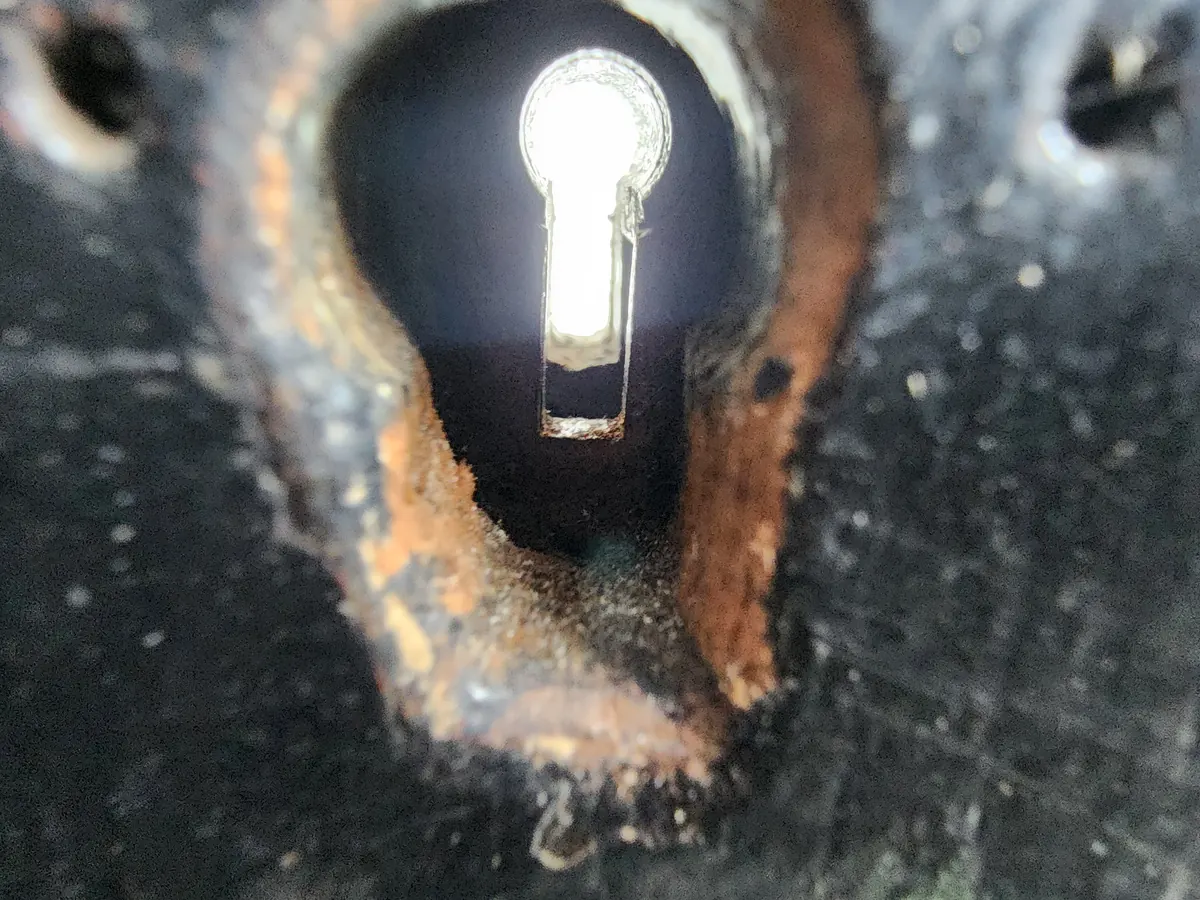
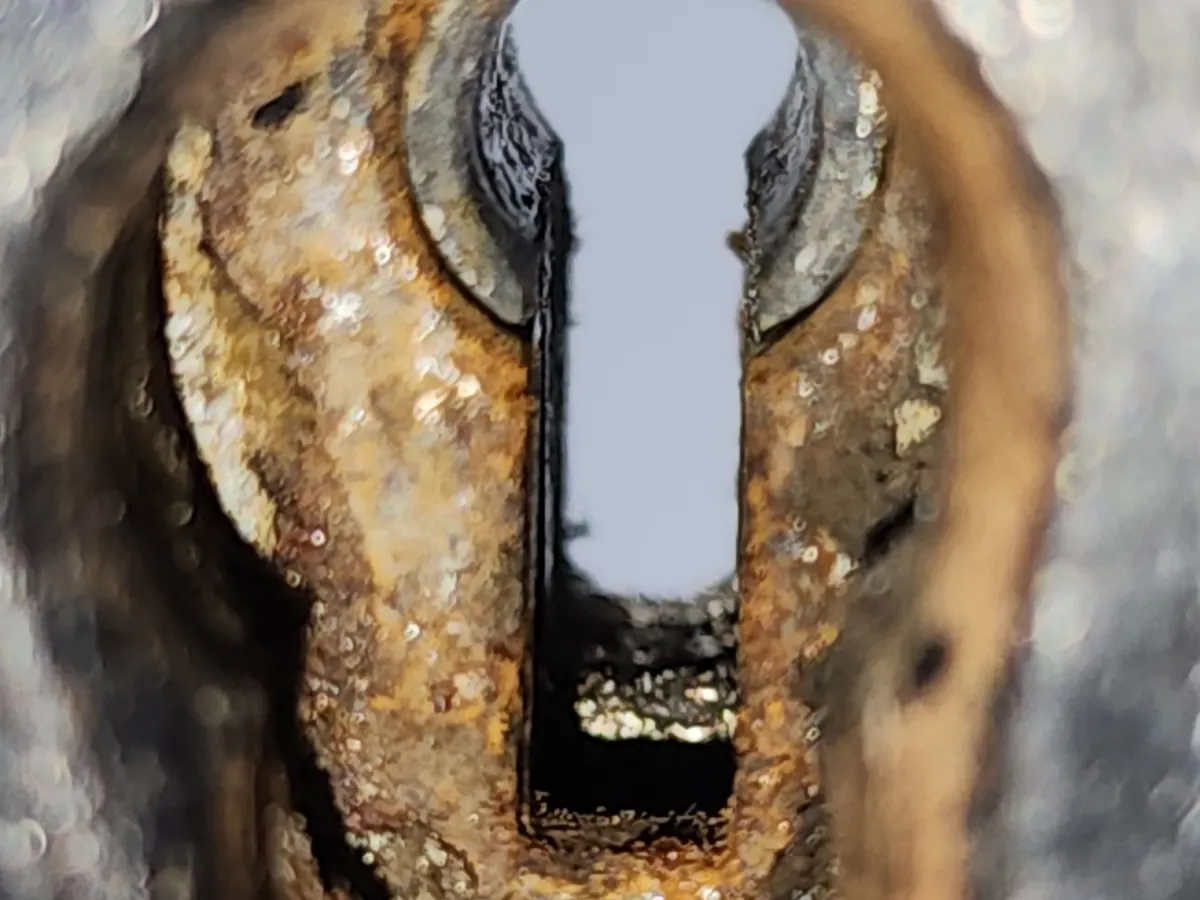
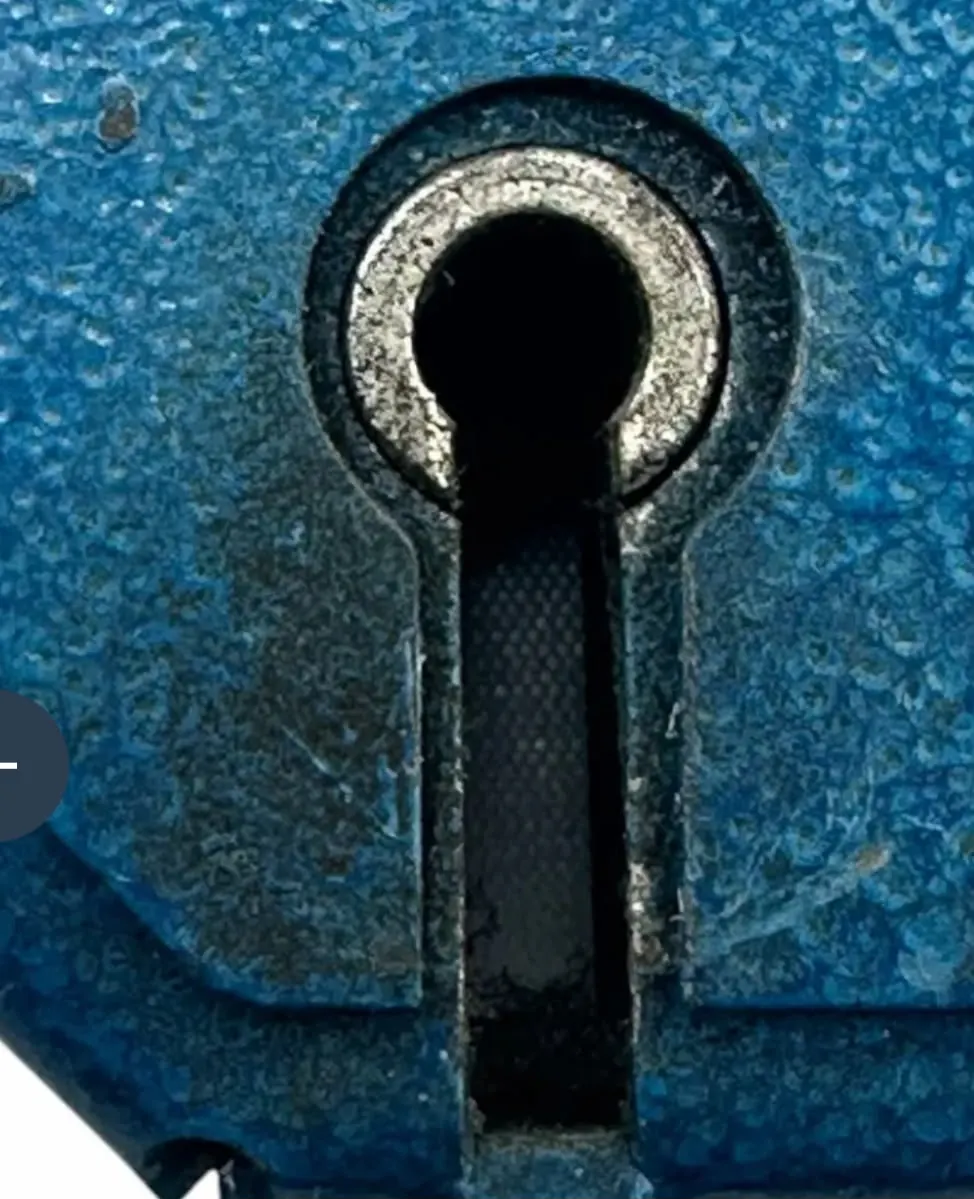
Living by the sea is hard on locks. Salt in the air settles on metal, attracts moisture and corrodes it, and on the Fylde Coast that happens faster than inland. The photos above are from real jobs: keyways and escutcheons rusted to the point where a key sticks, jams or snaps.
The warning signs come long before the lock fails: a key that needs wiggling, a lock that turns stiffly in cold or damp weather, or rust staining around the keyhole. A seized lock is usually opened without damage by working the mechanism, and then either serviced or, if the corrosion has reached the internals, replaced.
For a replacement near the sea, it's worth choosing a lock with a corrosion-resistant finish and an anti-snap rating (TS 007 3-star or SS312 Diamond for euro cylinders). A drop of lock lubricant (not oil) a couple of times a year keeps a coastal lock turning freely.
Salt in the sea air settles on metal and draws in moisture, which speeds up corrosion. Outside locks and escutcheons near the coast often need servicing or replacing sooner than locks inland.
Call Adam directly on 07306 107676. Available 24 hours, usually with you in 20–40 minutes across the Fylde Coast. Read our Google reviews.